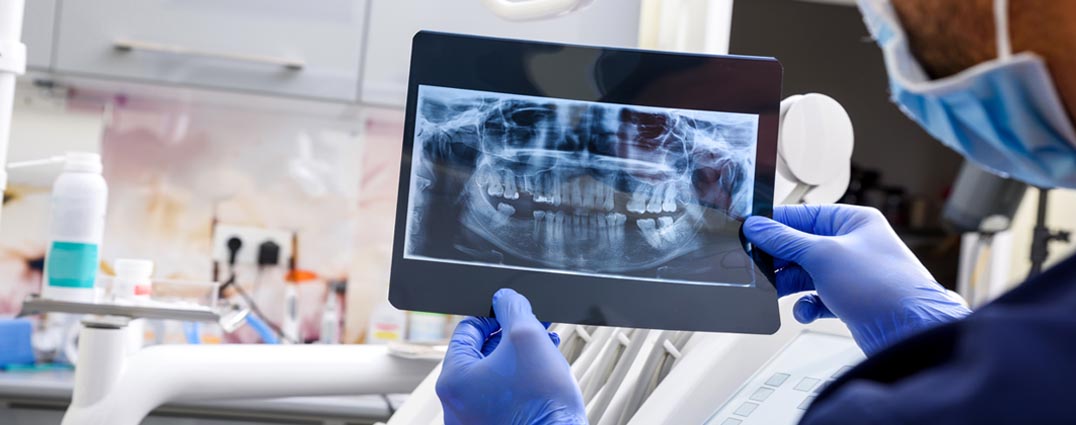
Facial swelling associated with a tooth or gum infection can progress beyond the immediate area and should be evaluated promptly. It may begin with tooth pain, pressure when biting, gum tenderness, drainage, fever, or swelling of the cheek, jaw, or face.
At San Diego Integrative & Implant Dentistry, we identify the source of the infection, determine whether it appears localized or is beginning to spread, and develop a clear plan for relief, treatment, and recovery. Depending on the diagnosis, care may involve root-canal therapy, drainage, periodontal treatment, tooth extraction, antibiotics when clinically indicated, or evaluation by our oral and maxillofacial surgeon.
Same-day emergency evaluations are offered when clinically appropriate and available.
A dental abscess is a collection of infection that develops in or around a tooth. It may form at the tip of a tooth root, along the side of a root within the gums, or within the tissues supporting the tooth.
Common causes include:
A dental abscess does not resolve simply because the pain decreases or the area begins to drain. The source of the infection still requires professional diagnosis and treatment.
Symptoms may include:
Not every abscess causes severe pain. Persistent swelling, drainage, tenderness, or changes in the gums should still be evaluated.
Some dental infections can spread into deeper spaces of the face or neck and may threaten the airway.
Call 911 or go to the nearest emergency department if you experience:
These symptoms require immediate medical assessment and should not wait for a routine dental appointment.
Your visit begins with understanding when the symptoms started, how quickly they have changed, and whether you are experiencing pain, fever, drainage, difficulty swallowing, or changes in your bite.
The evaluation may include:
The priority is to understand what is happening beneath the surface, relieve pressure or discomfort, treat the source of infection, and protect your long-term oral health.
Reducing swelling is only one part of care. The underlying source must also be addressed to prevent the infection from returning or progressing.
When infection begins inside a tooth that can be predictably restored, root-canal therapy may be used to remove the infected or inflamed pulp, clean and seal the internal canals, and preserve the natural tooth.
A crown or other final restoration may then be recommended to strengthen the tooth and restore comfortable function.
When a collection of infection is accessible within the soft tissue, the area may need to be opened and drained. This can reduce pressure and help control the localized infection.
Drainage alone may not resolve the underlying cause. The responsible tooth or periodontal condition usually requires additional treatment.
When a tooth is severely fractured, extensively decayed, structurally compromised, or cannot be predictably preserved, extraction may be necessary to remove the source of infection.
Once the infection and surrounding tissues have stabilized, we can discuss socket preservation, bone grafting, implant treatment, a dental bridge, or another appropriate replacement option.
When the infection originates from the gums or supporting bone rather than from inside the tooth, periodontal treatment may be required.
Care may include drainage, periodontal deep cleaning, treatment of the affected pocket, or additional gum and bone therapy based on the extent of the condition.
Complex infections, extensive facial swelling, deeply involved wisdom teeth, or concerns affecting the jaw and surrounding anatomy may require evaluation by our oral and maxillofacial surgeon.
Some advanced infections may require hospital-based imaging, intravenous medication, or surgical treatment beyond what can be safely provided in an outpatient dental office.
No. Antibiotics are not a substitute for treating the source of a dental infection.
For many localized dental abscesses, definitive care—such as root-canal therapy, drainage, periodontal treatment, or extraction—is the priority. Antibiotics may be prescribed when there are signs that the infection is spreading, when fever or systemic illness is present, when the immune system is compromised, or when other clinical findings make them appropriate.
An antibiotic may temporarily reduce symptoms, but it cannot remove infected tissue from inside a tooth or correct the structural problem that allowed the infection to develop.
At San Diego Integrative & Implant Dentistry, antibiotics are used selectively and responsibly as part of a broader clinical plan.
Integrative dentistry does not mean postponing or replacing necessary treatment.
When an abscess or spreading infection is present, the first priority is to identify and address the source through appropriate endodontic, periodontal, restorative, or surgical care.
Supportive therapies may be incorporated when clinically appropriate to complement treatment, comfort, and recovery. They do not replace drainage, root-canal therapy, extraction, or antibiotics when those interventions are necessary.
Every recommendation is considered in relation to your diagnosis, health history, comfort, healing needs, preferences, and long-term restorative plan.
While arranging care:
Home measures may temporarily reduce discomfort, but they cannot eliminate the source of a dental abscess.
If an abscess ruptures, you may notice a sudden unpleasant taste, drainage, and temporary relief from pressure or pain.
This does not mean the infection has resolved. The responsible tooth, gum tissue, or surrounding structures still require evaluation and treatment to reduce the risk of recurrence or further spread.
A dental infection may begin as an emergency, but care should not end when the swelling decreases.
Our multidisciplinary team can coordinate:
This allows the immediate infection, the healing phase, and the long-term restoration to be considered as one connected plan.
Frequently Asked Questions
Can a dental abscess go away on its own?
No. Symptoms may fluctuate, and drainage may temporarily reduce discomfort, but the underlying source generally remains until it is professionally treated.
Can antibiotics alone cure a tooth abscess?
Antibiotics may be necessary when an infection is spreading or causing systemic symptoms, but they usually do not remove infection from inside a tooth or correct the underlying dental problem. Definitive treatment remains essential.
Can an abscessed tooth be saved?
Many abscessed teeth can be preserved with root-canal therapy and an appropriate final restoration. Whether a tooth can be saved depends on its remaining structure, fracture status, periodontal support, location, and overall prognosis.
Why is my face swollen if the problem began with a tooth?
A dental infection can extend beyond the immediate tooth and create inflammation or infection within the surrounding gums, jaw, cheek, or facial tissues. The location and extent of the swelling help determine the urgency and appropriate level of care.
Will the swelling disappear immediately after treatment?
Treating the source begins the healing process, but inflammation may take time to decrease. The expected recovery depends on the severity and extent of the infection, the treatment performed, and your overall health.
When should I go directly to the emergency room?
Seek immediate medical care for difficulty breathing, swallowing, or speaking; rapidly increasing facial or neck swelling; severe swelling affecting the eye; significant difficulty opening the mouth; or worsening swelling accompanied by fever or systemic illness.
Request an Emergency Dental Evaluation
Dental pain and facial swelling can progress quickly. You deserve prompt attention, clear answers, and a team capable of managing both the immediate infection and the care that may follow.
Contact San Diego Integrative & Implant Dentistry for an urgent evaluation. Same-day emergency appointments are offered when clinically appropriate and available.
Request an Emergency Appointment