
How We Personalize Comfort, Sedation, and Recovery
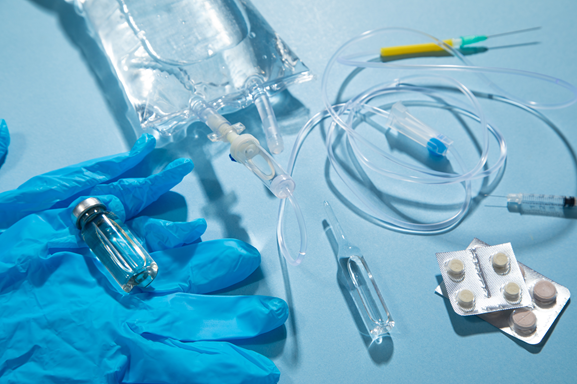
Dental anxiety can affect far more than comfort during an appointment. It may influence whether a patient seeks care, asks questions, completes treatment, or feels able to return after a difficult experience.
At San Diego Integrative & Implant Dentistry, anxiety is not treated as an inconvenience or something a patient should simply overcome. We take time to understand what creates distress, what helps the patient feel safe, and which clinical and supportive options belong in the treatment plan.
Depending on the procedure, health history, anxiety level, and individual needs, care may include personalized communication, comfort measures, local anesthesia, sedation or anesthesia administered by appropriately qualified clinicians, and postoperative monitoring in our dedicated recovery room.
Our goal is to create an experience that feels clear, controlled, compassionate, and centered on the individual from the first conversation through recovery.
What Is Dental Anxiety?
Dental anxiety describes fear, worry, tension, or distress related to dental treatment.
It may range from mild nervousness before an appointment to intense fear that makes it difficult to schedule, enter the office, sit in the treatment chair, or continue with necessary care.
Some patients can identify a specific cause. Others experience anxiety even when they understand that the procedure is necessary and the clinical environment is safe.
Dental anxiety may be associated with:
The experience is personal. Two patients receiving the same procedure may need very different forms of support.
Signs That Dental Anxiety Is Affecting Your Care
Dental anxiety may appear as:
Some patients appear calm but experience significant internal distress. We encourage patients to tell us how they are feeling, even when their anxiety is not visible.
Why Avoiding Dental Care Can Make Treatment More Complex
Delaying treatment may allow a manageable concern to become more advanced.
A small area of decay may become a larger restoration. Gum inflammation may progress into periodontal disease. A fractured tooth may become more difficult to preserve. An untreated infection may develop into pain, swelling, or an emergency.
This can create a cycle:
Our approach is designed to interrupt that cycle through trust, clear communication, individualized pacing, and appropriate comfort or sedation options.
Your Comfort Begins With a Conversation
The first step is understanding what you need.
Before treatment, we may ask:
These preferences can become part of a personalized comfort profile so future visits do not feel like starting over.
A Personalized Dental Comfort Plan
Comfort-focused care may include a combination of clinical and environmental support.
Options may include:
Not every patient wants the same environment. Some want detailed information and frequent updates. Others feel calmer with fewer descriptions and more distraction.
The plan should reflect the individual.
Local Anesthesia and Sedation Are Different
Local anesthesia and sedation serve different purposes.
Local Anesthesia
Local anesthesia numbs a specific treatment area to control pain.
A patient may remain fully awake and aware while the tooth, gums, or surgical site is numb.
Local anesthesia is commonly used for:
Even when sedation is used, local anesthesia may still be necessary because sedation reduces anxiety and awareness but does not automatically numb the treatment area.
Sedation
Sedation uses medication to reduce anxiety, awareness, distress, or memory of the procedure.
The patient’s level of responsiveness depends on the type and depth of sedation.
General Anesthesia
General anesthesia produces a controlled state of unconsciousness. It requires specific training, permits, monitoring, personnel, emergency preparedness, and recovery protocols.
The appropriate option depends on the procedure, patient, health history, and clinician’s qualifications.
Levels of Sedation
Sedation exists along a continuum.
Minimal Sedation
The patient remains awake and can respond normally to verbal communication. Coordination and cognitive function may be affected, but breathing and cardiovascular function are generally maintained.
Moderate Sedation
The patient remains responsive to verbal commands or light physical stimulation. Many patients feel deeply relaxed and may remember little of the procedure.
Deep Sedation
The patient is not easily awakened but may respond to repeated or painful stimulation. Breathing may require closer support and monitoring.
General Anesthesia
The patient is unconscious and does not respond to stimulation. Airway and cardiovascular function require advanced management and continuous monitoring.
The medication route alone does not determine the level of sedation. The same route may produce different depths depending on the medication, dose, patient, and clinical response.
Which Sedation Options Are Available?
The specific sedation or anesthesia options offered depend on:
Potential approaches may range from comfort-focused care with local anesthesia to pharmacologic sedation or anesthesia administered by appropriately qualified clinicians.
The exact recommendation is made only after a clinical evaluation.
Who May Benefit From Sedation Dentistry?
Sedation may be considered for patients who:
Sedation is not automatically necessary for every anxious patient. Some patients feel comfortable once communication, pacing, and environmental support are personalized.
When Sedation May Require Additional Consideration
Sedation may need to be modified, postponed, or provided in a different setting when a patient has:
These concerns do not always prevent sedation, but they may influence the medication, depth, provider, monitoring requirements, or treatment setting.
Your Pre-Sedation Evaluation
Before sedation or anesthesia, we review:
Additional medical clearance may be requested when necessary.
Patients should provide complete and accurate information. Even medications or supplements that seem unrelated may affect sedation, bleeding, blood pressure, or recovery.
Preparing for Sedation or Anesthesia
Instructions vary according to the level of sedation and procedure.
They may include:
Patients should not modify prescribed medications without guidance from the appropriate clinician.
Failure to follow fasting or transportation instructions may require the procedure to be postponed for safety.
What Happens on the Day of Treatment?
Review and Confirmation
Before treatment begins, the team confirms:
Baseline Measurements
Vital signs may be recorded, including:
Comfort Preparation
The patient is positioned comfortably, and agreed-upon support may be provided, such as:
Sedation or Anesthesia
Medication is administered according to the treatment plan and provider’s qualifications.
Dental Treatment
Local anesthesia is provided as needed to control discomfort in the treatment area.
Continuous Monitoring
The patient is monitored throughout treatment according to the depth of sedation, procedure, health status, and applicable clinical requirements.
Monitoring During Sedation
Monitoring may include:
The depth of sedation and the patient’s condition determine the equipment, personnel, and monitoring protocol.
Sedation and anesthesia must be administered within the provider’s training, permit, and legal scope.
Our Dedicated Recovery Room
Following procedures involving sedation or anesthesia, patients recover in a dedicated room where the clinical team continues to observe them until appropriate discharge criteria are met.
Recovery monitoring may include:
A patient is not discharged simply because the procedure is complete. Recovery continues until the treating team determines that the patient has reached an appropriate level of stability for the planned discharge arrangement.
What Discharge Criteria Mean
Discharge criteria may include:
Sedated patients may still feel tired, unsteady, forgetful, or less coordinated after leaving the office.
Transportation and Supervision After Sedation
Patients receiving sedation or anesthesia may need a responsible adult to:
Patients should not drive, operate machinery, consume alcohol, sign legal documents, or make important decisions until the effects have fully resolved and the treating clinician’s restrictions have ended.
Rideshare transportation alone may not satisfy escort requirements for deeper levels of sedation.
Recovery at Home
After treatment, patients should:
The recovery plan depends on both the sedation and the dental procedure performed.
Postoperative Follow-Up
Our care continues after the patient leaves the office.
Follow-up may include:
Complex care is approached as one connected process rather than a series of isolated appointments.
Myofascial and Massage Support
For selected patients experiencing jaw, facial, neck, or shoulder tension, myofascial or massage therapy may be arranged upon request and when clinically appropriate.
This support may be considered:
Myofascial support does not replace medical monitoring, pain control, treatment of infection, or management of surgical complications.
The timing and technique must be appropriate for the procedure and stage of healing.
Non-Pharmacologic Anxiety Support
Sedation is one option, but anxiety care can begin before medication is considered.
Supportive approaches may include:
Communication Preferences
Patients may choose whether they prefer:
Stop Signal
An agreed hand signal allows the patient to pause treatment when appropriate.
Guided Breathing
Slow, controlled breathing may help reduce muscle tension and provide a sense of rhythm and control.
Guided Imagery
Calming audio or imagery may help direct attention away from the procedure.
Music and Noise Reduction
Headphones can reduce environmental sound and provide a more familiar sensory experience.
Warmth and Positioning
Blankets, neck support, knee support, and positioning adjustments may improve physical comfort.
Planned Breaks
Longer appointments may be divided into manageable stages when clinically appropriate.
Gradual Desensitization
Some patients benefit from beginning with a consultation or short, noninvasive visit before moving into treatment.
Severe Dental Fear and Dental Phobia
Some patients experience a level of fear that affects daily life, causes panic, or makes treatment impossible even with supportive dental care.
In these situations, a coordinated plan may involve:
Sedation can help a patient receive necessary care, but it may not fully address the underlying fear. For some individuals, combining dental treatment with psychological support creates a more sustainable long-term path.
Sedation for Implant and Oral Surgical Care
Sedation or anesthesia may be particularly valuable during:
Our oral and maxillofacial surgeon develops anesthesia plans according to the procedure, health history, airway, anxiety, and postoperative needs.
The surgical, sedation, restorative, and recovery phases are coordinated within one treatment plan.
Sedation for Full-Mouth Rehabilitation
Full-mouth rehabilitation may involve several procedures, multiple clinicians, and longer appointments.
Sedation may help selected patients tolerate treatment involving:
The decision depends on the treatment sequence, patient health, appointment length, and comfort needs.
Not every phase requires the same level of sedation.
Sedation for Patients With Sleep Apnea
Obstructive sleep apnea can increase sedation and anesthesia risk because medications may reduce muscle tone and affect breathing.
Patients should tell the clinical team if they:
The provider may request medical records, sleep-study information, or additional evaluation.
Patients should bring their CPAP or oral appliance when instructed.
Sedation Does Not Replace Local Anesthesia
Sedation and anesthesia are sometimes misunderstood as interchangeable with numbing.
Minimal or moderate sedation primarily affects anxiety, awareness, and memory. Local anesthesia is still commonly used to numb the treatment area and control procedural pain.
The clinical team verifies anesthesia before proceeding and continues monitoring comfort throughout treatment.
What Sedation Can—and Cannot—Promise
Sedation may:
Sedation cannot guarantee:
The plan is designed to support comfort and safety while maintaining realistic expectations.
Risks and Possible Side Effects
Potential effects may include:
Risk depends on the medication, depth of sedation, procedure, health history, provider training, monitoring, and individual response.
The preoperative evaluation helps identify and reduce avoidable risk.
An Integrative Approach to Dental Anxiety
Dental anxiety involves the mind, body, and personal experience of care.
At San Diego Integrative & Implant Dentistry, we consider:
The clinical plan may bring together communication, comfort measures, sedation, anesthesia, recovery monitoring, myofascial support, and continued follow-up.
Integrative care does not mean replacing established safety standards. It means using the appropriate clinical and supportive tools within one personalized, coordinated experience.
What You Can Expect From Our Team
You can expect:
Our goal is not simply to complete a procedure. It is to help you move through care with greater understanding, trust, and confidence.
Frequently Asked Questions
Is sedation dentistry safe?
Sedation and anesthesia involve risk, but safety is supported through patient selection, medical evaluation, trained providers, appropriate permits, monitoring, emergency preparedness, and recovery protocols.
Will I be asleep?
That depends on the level of sedation. Minimal and moderate sedation usually allow responsiveness. Deep sedation and general anesthesia produce a greater depression of consciousness.
Will I feel pain?
Local anesthesia is commonly used to numb the treatment area. Sedation helps reduce anxiety, awareness, or memory but does not always replace local anesthesia.
Will I remember the procedure?
Memory varies according to the medication, depth of sedation, patient, and procedure. Reduced memory may occur, but complete amnesia cannot be guaranteed.
Can I drive myself home?
Patients receiving sedation or anesthesia generally require transportation and may need a responsible adult to remain with them afterward. Follow the instructions provided for your specific plan.
Can I use a rideshare after sedation?
A rideshare may not satisfy escort requirements for moderate or deeper sedation because a responsible adult may need to receive instructions and remain with you. Confirm the requirements before treatment.
Do I need to fast?
Some sedation and anesthesia plans require fasting. Follow the exact instructions provided. Do not assume that eating or drinking is allowed because a previous procedure had different requirements.
What happens if I become ill before the appointment?
Contact the office. Fever, cough, congestion, respiratory symptoms, vomiting, or other illness may affect safety and may require postponement.
Can I take my regular medications?
Take or withhold medications only according to instructions from the treating clinician and, when appropriate, your physician. Do not stop prescribed medication on your own.
Can sedation help with a strong gag reflex?
Sedation may help selected patients tolerate treatment, but the cause and severity of the gag reflex should be considered when planning care.
Can sedation help if local anesthesia has not worked well for me before?
Possibly, but the previous difficulty should be discussed in detail. Inflammation, anatomy, anxiety, and other factors may affect numbing. Sedation and local-anesthesia strategies can be planned together.
Is sedation only for surgery?
No. Sedation may be considered for restorative, periodontal, implant, surgical, or other dental procedures when clinically appropriate.
Is there a recovery room?
Yes. Patients recovering from sedation or anesthesia are monitored in our dedicated recovery room until appropriate discharge criteria are met.
Can I receive massage or myofascial therapy after treatment?
Myofascial or massage support may be arranged upon request when clinically appropriate and subject to provider availability. Timing depends on the procedure and stage of healing.
What should I bring to my consultation?
Bring a current medication list, relevant medical information, details of previous anesthesia experiences, and any sleep-apnea records or devices when applicable.
Begin With a Dental Anxiety and Sedation Consultation
You do not need to minimize your fear or apologize for needing additional support.
At San Diego Integrative & Implant Dentistry, we take time to understand your concerns, explain your options, and create a plan that supports both the dental treatment and the person experiencing it.
Whether you need a slower pace, a personalized comfort plan, sedation, anesthesia, monitored recovery, or a combination of approaches, your care begins with a conversation.