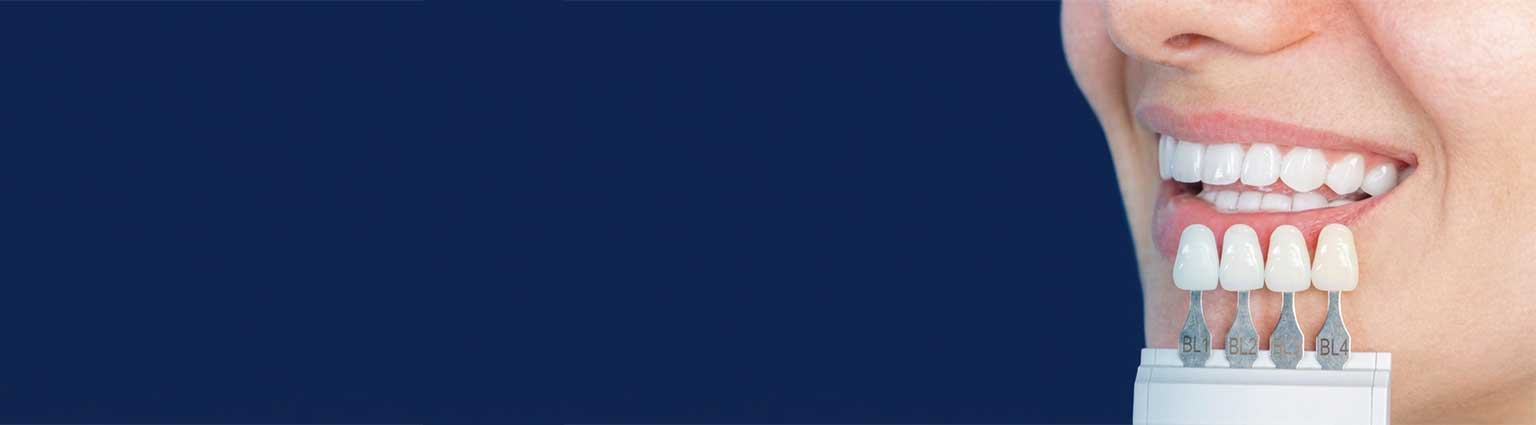
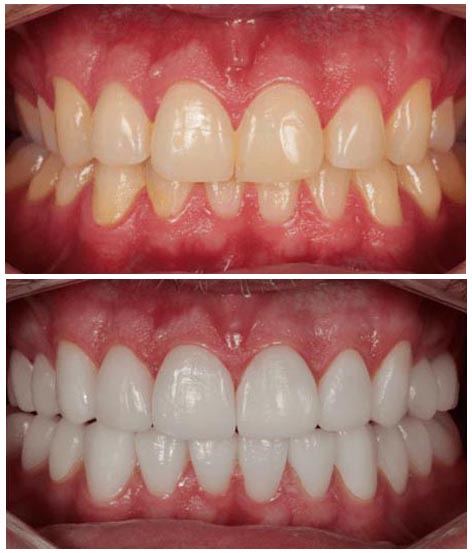
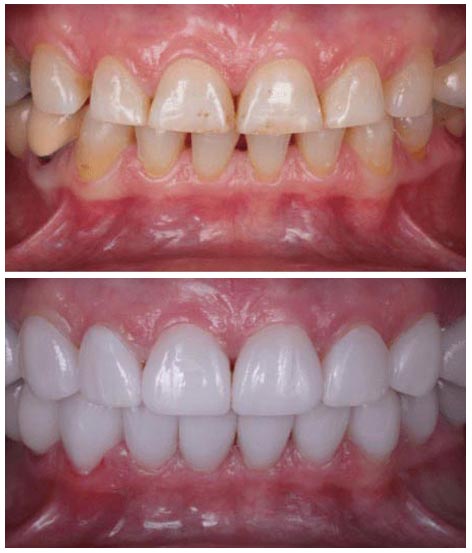
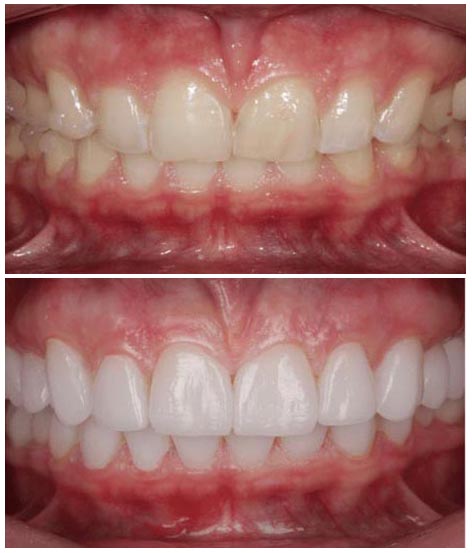
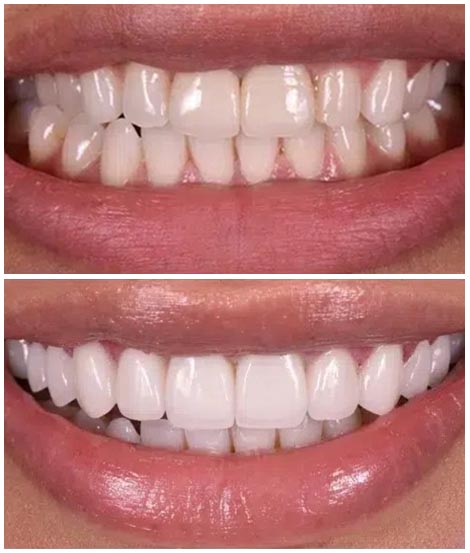
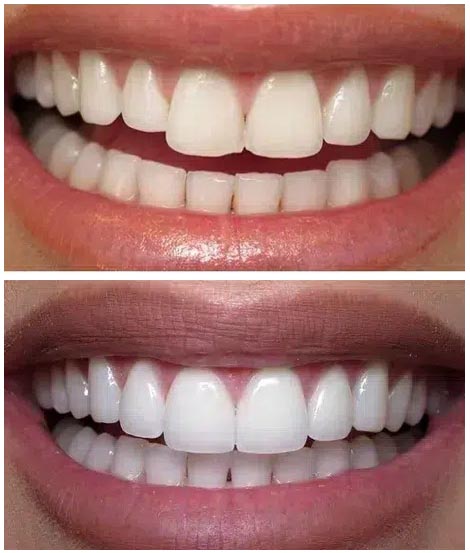
A veneer can be remarkably thin, yet it can change the balance of an entire smile. The right design can improve tooth shape, soften an uneven edge, close a small space, brighten discoloration, or restore proportions that have changed through wear.
Creating a natural result requires more than choosing a shade of white. The dentist must consider the condition of the tooth beneath the veneer, the position of the gumline, the amount of enamel available, the patient’s bite, and how each tooth relates to the face.
At San Diego Integrative & Implant Dentistry, patients have access to a board-certified prosthodontist with advanced specialty training in restorative esthetics, ceramic materials, bite relationships, and complex smile design.
Our practice offers several veneer options, including:
Each material offers a different balance of translucency, strength, preparation, cost, repairability, and long-term maintenance. The purpose of this guide is to help you understand those differences and make a more informed decision about your smile.
What Are Dental Veneers?
Dental veneers are thin restorations placed over the visible surfaces of the teeth. They are designed to improve color, shape, length, proportion, alignment, or symmetry while preserving more natural tooth structure than a full dental crown.
Depending on the material and treatment plan, a veneer may cover only the front surface of the tooth or extend slightly over the biting edge.
Veneers are commonly used to improve teeth that are:
Veneers can make mildly irregular teeth appear straighter, but they do not physically move the roots. When crowding, rotation, or the bite requires more meaningful correction, Invisalign may be recommended before or instead of veneer treatment.
What Are the Main Types of Dental Veneers?
The word veneer describes the type of restoration, not one specific material. Composite resin and several forms of dental ceramic can all be used to create veneers.
Understanding the basic differences helps explain why one option may be better suited to a particular tooth or smile.
Composite Veneers
Composite veneers are made from tooth-colored resin that is sculpted directly onto the teeth. The material is applied in layers, shaped by the dentist, hardened with a curing light, and polished during the appointment.
Composite may be used to:
Many direct composite veneer cases can be completed in one treatment visit after the consultation and planning stage.
Advantages of Composite Veneers
Composite veneers often require little or no enamel reduction. They are also easier to adjust or repair directly in the mouth if a small area chips or becomes worn.
Their lower starting cost can make them an appealing introduction to cosmetic dentistry, particularly for patients who want to improve one or several teeth without immediately committing to laboratory-made ceramic restorations.
Composite veneers at our practice currently start at $595 per tooth.
Considerations With Composite Veneers
Composite resin is more likely than ceramic to absorb stain, lose some surface polish, or require repair over time. Coffee, tea, red wine, smoking, grinding, and biting hard objects can affect its appearance and longevity.
Composite veneers commonly last approximately five to seven years, although well-maintained restorations may last longer.
They are especially valuable for patients who prioritize tooth preservation, repairability, and the ability to refine the smile gradually.
Porcelain and Ceramic Veneers
Porcelain veneers are laboratory-made ceramic restorations bonded to the front surfaces of the teeth.
The familiar term porcelain may refer to several ceramic materials. These include traditional feldspathic porcelain and glass ceramics such as lithium disilicate.
Ceramic veneers are known for their:
They are commonly chosen for patients seeking a longer-term change in tooth color, shape, proportion, or symmetry.
Laboratory-made ceramic veneers are generally completed over two principal treatment appointments. During the first, the teeth are prepared when necessary and digital scans or impressions are taken. Temporary veneers may be placed while the dental laboratory creates the final restorations.
At the second appointment, the veneers are carefully evaluated for fit, shade, shape, gumline integration, and bite before they are permanently bonded.
Lithium-Disilicate and e.max Veneers
Lithium disilicate is a strong glass ceramic valued for its balance of strength and natural translucency. Many patients recognize it through the brand name e.max.
This material can be especially effective when the goal is to create:
Lithium-disilicate veneers can be made very thin, although the amount of tooth preparation still depends on the tooth’s position, underlying color, and the degree of change being created.
They are often considered for front teeth and premolars, where the appearance of the ceramic is particularly important.
Feldspathic Porcelain Veneers
Feldspathic porcelain is a highly esthetic material that can be built in delicate layers by a skilled dental ceramist.
Its strength lies in the level of artistic control it offers. The ceramist can create subtle changes in translucency, internal color, surface texture, and light reflection.
Feldspathic porcelain may be selected when:
Because it is more delicate than some newer ceramics, material thickness, bonding, and bite forces require careful planning.
Prepless and Minimal-Preparation Veneers
Prepless veneers are ultrathin ceramic restorations placed without intentionally shaving down the natural enamel.
Minimal-preparation veneers involve a small amount of selective contouring to create space, smooth an uneven area, or prevent the finished tooth from appearing bulky.
Prepless describes the preparation technique rather than one particular ceramic material.
These veneers may be especially well suited to teeth that are:
They are less suitable for teeth that are already prominent, severely crowded, deeply rotated, or positioned too far forward. Adding ceramic to a tooth that lacks space can produce an overly thick result.
Prepless veneers require a great deal of skill because the treatment is entirely additive. The prosthodontist must create a more balanced smile without making the teeth look heavy or overdesigned.
Prepless veneers at our practice currently start at $1,200 per tooth.
Zirconia Veneers
Zirconia is a strong dental ceramic known for its fracture resistance and ability to conceal difficult underlying tooth colors.
While glass ceramics are often selected for their translucency, zirconia provides greater opacity. This can be useful when the dentist needs more control over what shows through the veneer.
Zirconia veneers may be considered when:
Modern translucent zirconia can produce an attractive result, but it behaves differently from conventional porcelain. It requires a specialized bonding protocol, careful thickness control, and detailed planning before fabrication.
Zirconia can be especially compelling for patients who want a bright, polished smile or need a ceramic capable of masking a dark foundation.
Which Type of Veneer Looks the Most Natural?
No single material produces the most natural result in every patient.
The choice depends partly on the color and condition of the natural tooth beneath it.
When the underlying teeth have a favorable shade and the goal is to reproduce delicate enamel-like translucency, feldspathic porcelain or lithium disilicate may provide exceptional esthetic control.
When the teeth are deeply discolored or have inconsistent shades, a more opaque ceramic such as zirconia may create a more predictable result.
Composite resin can also look highly natural when it is carefully layered, shaped, textured, and polished. Its appearance depends greatly on the clinician’s ability to sculpt the material directly on the tooth.
The material creates the possibilities. The quality of the planning and execution determines how those possibilities are used.
Why a Board-Certified Prosthodontist Matters
A prosthodontist is a dental specialist with advanced training in restoring and replacing teeth, managing the bite, selecting restorative materials, and designing complex cosmetic treatment.
Board certification adds another level of professional evaluation within that specialty.
Veneer treatment brings together several areas of expertise:
A veneer may be thin, but the decisions behind it are detailed.
At San Diego Integrative & Implant Dentistry, the prosthodontic perspective allows the smile to be evaluated as a complete design. The treatment considers how the teeth look at rest, while speaking, and during a full smile, as well as how they function when the patient bites and moves the jaw.
This becomes particularly valuable when a veneer case involves worn teeth, old crowns, missing teeth, dental implants, an uneven bite, or plans for broader restorative treatment.
How We Choose the Right Veneer
The first question is not simply which material the patient prefers. It is what the teeth and smile require.
The selection process considers several factors.
The Amount of Change Desired
A small chip or minor space may be treated conservatively with composite. A broader change in color, shape, and symmetry may be better suited to ceramic veneers.
The Position of the Teeth
Teeth that are slightly recessed or narrow may be ideal for additive prepless veneers. Teeth that project outward may require alignment or controlled preparation to prevent excessive thickness.
The Color Beneath the Veneer
Highly translucent ceramic allows more of the natural tooth color to influence the final result. Dark or uneven teeth may require a material with greater masking ability.
The Amount of Healthy Enamel
Bonding primarily to enamel provides a strong foundation for many veneer treatments. The amount and condition of the remaining enamel influence the preparation and material selection.
The Bite
Grinding, clenching, edge-to-edge contact, deep bite, or other force patterns can affect the longevity of veneers.
Some patients benefit from Invisalign, bite adjustment, or a protective nightguard as part of the treatment plan.
The Patient’s Priorities
Some patients value minimal tooth preparation above all else. Others prioritize long-term color stability, repairability, brightness, translucency, or a particular price range.
A thoughtful consultation brings those preferences into the clinical decision rather than treating every smile the same way.
What Happens During a Veneer Consultation?
The consultation begins with a conversation about what the patient would like to change and what they want the finished smile to feel like.
The evaluation may include:
A mock-up can be placed over the teeth temporarily to preview changes in length, width, shape, and smile fullness.
This allows the patient and prosthodontist to refine the design before the final veneers are created. It is especially useful when several teeth are being treated or when the patient is deciding between a subtle change and a more noticeable transformation.
Planning the Shade of Your Veneers
Veneers do not respond to whitening treatment after they have been made.
If you are satisfied with the color of your natural teeth, the veneers can be custom-matched to the surrounding enamel.
If you want a brighter smile, professional whitening can be completed first. Once the new shade has settled, the composite or ceramic veneers can be designed to coordinate with it.
This sequence allows the untreated teeth and new restorations to look more cohesive.
Shade planning is not simply a choice between white and whiter. The prosthodontist also considers brightness, warmth, translucency, surface texture, facial coloring, and the amount of natural contrast that suits the patient.
Some patients want a soft, highly natural result. Others prefer a brighter, more polished smile. Both can be attractive when the design feels appropriate for the person.
What Is the Veneer Treatment Process?
The process depends on the type of veneer selected.
Direct Composite Veneers
Composite veneers are applied and shaped directly on the teeth. Many cases can be completed in one treatment appointment after the consultation.
The dentist selects the resin shades, prepares the enamel, layers the material, shapes the tooth, and completes the final polish and bite adjustment during the visit.
Laboratory-Made Ceramic Veneers
Porcelain, lithium-disilicate, prepless, and zirconia veneers are generally created in a dental laboratory.
At the first treatment appointment:
At the second appointment:
True prepless cases may not require temporary veneers because the natural teeth have not been reduced.
How Many Veneers Do You Need?
There is no standard number.
Some patients need one veneer to restore a chipped or undersized tooth. Others benefit from treating several teeth so that the shade, proportions, and smile line remain balanced.
The number may depend on:
A veneer plan should not include more teeth simply to create a larger case. It should include the teeth necessary to produce a cohesive result.
How Long Do Veneers Last?
Longevity depends on the material, preparation, bonding, bite, oral hygiene, and patient habits.
Composite veneers commonly last approximately five to seven years. They may require occasional polishing, repair, or refreshing during that time.
Porcelain and other ceramic veneers commonly last 10 to 15 years, and carefully planned cases may remain attractive and functional for longer.
Prepless veneers also have strong long-term potential because they are bonded primarily to enamel, provided the patient was properly selected and the bite remains favorable.
Factors that can shorten the lifespan of veneers include:
A custom nightguard may be recommended for patients who grind or clench.
How to Care for Dental Veneers
Veneers should be cared for much like natural teeth.
Patients should:
The veneer itself cannot develop decay, but the natural tooth beneath and around it can. Clean margins and healthy gum tissue are essential to both the appearance and longevity of the treatment.
How Much Do Dental Veneers Cost in San Diego?
The cost depends on the material, the number of teeth, the complexity of the smile design, and the amount of preparation or laboratory work involved.
Current starting fees at our practice include:
Porcelain, lithium-disilicate, and zirconia veneer fees are personalized after the consultation and design process.
The final cost may also be influenced by:
Veneers are generally considered cosmetic treatment, although dental insurance may provide limited benefits when treatment restores tooth structure lost through trauma or another covered condition.
A written estimate is provided after the prosthodontist evaluates the teeth and proposed design.
Alternatives to Dental Veneers
Veneers are not the only way to improve a smile.
Depending on the concern, another treatment may preserve more tooth structure or provide a more predictable result.
Alternatives may include:
Whitening may be enough when the main concern is color. Invisalign may be better when tooth position is the central issue. A crown may be needed when a tooth has lost too much structure for a veneer to protect it adequately.
The most appropriate treatment is the one that addresses the actual condition of the teeth while supporting the patient’s esthetic goals.
Dental Veneers in San Diego
Dental veneers can create subtle refinement or a more complete change in the appearance of a smile. The most successful cases begin with careful material selection, healthy teeth and gums, a stable bite, and a design that suits the patient’s features.
At San Diego Integrative & Implant Dentistry, patients can explore composite, porcelain, lithium-disilicate, prepless, minimal-preparation, and zirconia veneer options with a board-certified prosthodontist.
The consultation is designed to help patients understand which material is most appropriate, how much tooth preparation may be necessary, how the finished shade will be selected, and what level of maintenance to expect.
We welcome patients from San Diego, Rancho Bernardo, 4S Ranch, Poway, Escondido, Rancho Santa Fe, Del Mar, Orange County, Los Angeles, and surrounding communities.
Call (858) 779-9292 to schedule a veneer consultation.
Frequently Asked Questions About Dental Veneers
Which type of veneer is best?
There is no single best material for every patient. Composite may be ideal for a conservative, repairable, same-day improvement. Porcelain and lithium disilicate offer excellent translucency and color stability, while zirconia can provide greater masking of dark teeth. Prepless veneers are most appropriate when the smile has enough room for an additive restoration.
Do veneers require shaving down the teeth?
Some veneers require controlled enamel preparation, while others can be placed with little or no reduction. The amount depends on the tooth position, material, underlying color, and desired change. Prepless treatment is most suitable when adding ceramic will not make the teeth look bulky.
Can veneers fix crooked teeth?
Veneers can improve the appearance of mild irregularity, small rotations, or uneven tooth shape. They do not move the roots or correct a significant bite problem. Invisalign may be recommended when alignment should be corrected before restorative treatment.
Can veneers be whitened?
No. Composite and ceramic veneers do not become lighter with whitening products. If you want a brighter smile, the natural teeth can be whitened first and the veneers can then be matched to the new shade.
How much do veneers cost?
Composite veneers at our practice currently start at $595 per tooth, and prepless veneers start at $1,200 per tooth. The cost of porcelain, lithium-disilicate, and zirconia veneers depends on the number of teeth, ceramic, laboratory work, preparation, and complexity of the design.
How long do veneers last?
Composite veneers commonly last approximately five to seven years. Porcelain and other ceramic veneers commonly last 10 to 15 years and may last longer with careful planning, good hygiene, a stable bite, and regular maintenance.