San Diego Integrative & Implant Dentistry provides cosmetic gum reshaping essential for smile makeovers for residents of Southern California.
Cosmetic Gum Contouring & Gummy Smile Treatment in San Diego
How Cosmetic Gum Contouring Reshapes the Gumline
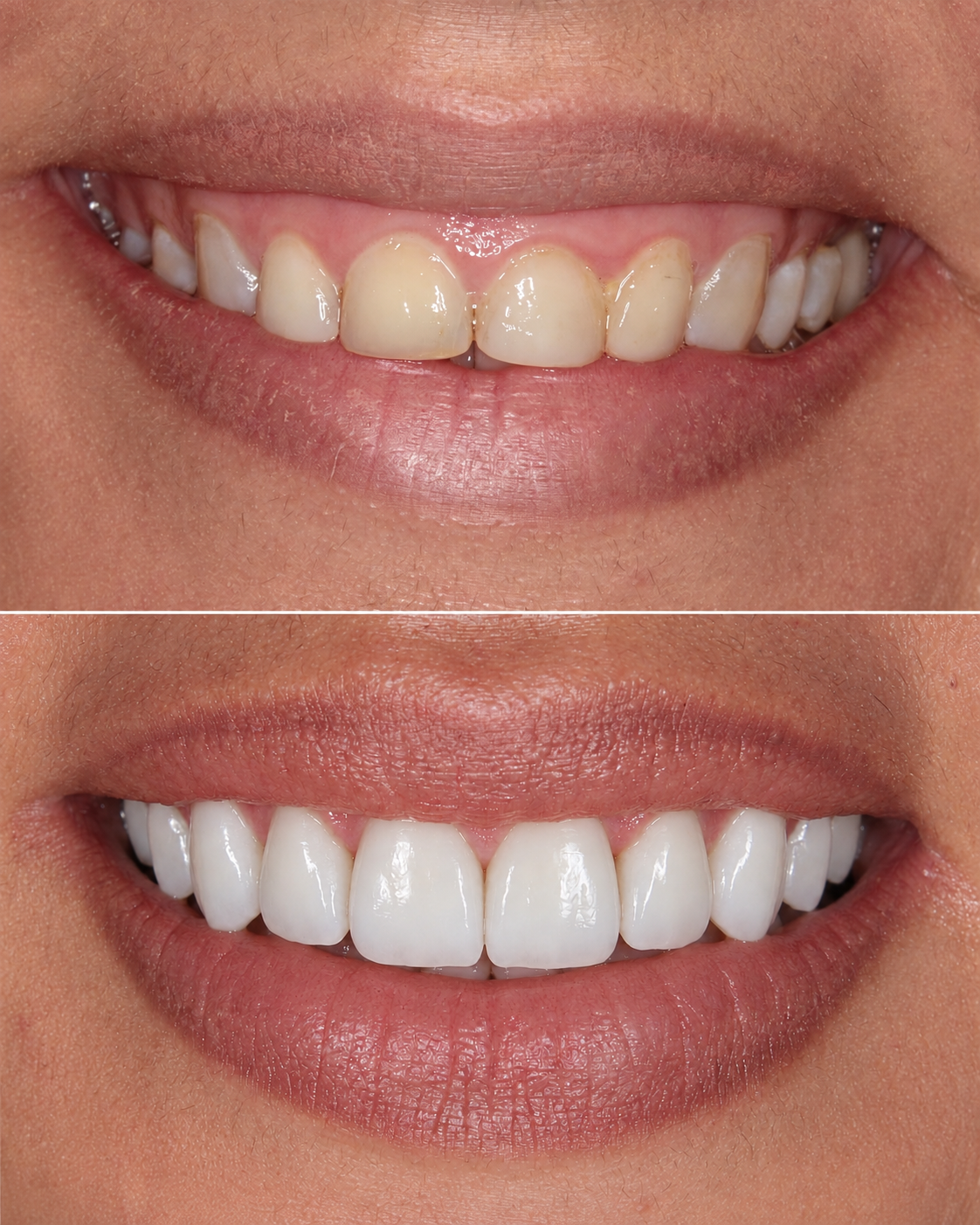
The gumline creates the frame around the teeth. When excess or uneven gum tissue covers part of the natural tooth, the teeth may appear shorter, asymmetrical, or out of proportion with the lips and surrounding facial features.
Cosmetic gum contouring reshapes selected areas of gum tissue to reveal more natural tooth structure and create a smoother, more balanced gumline.
At San Diego Integrative & Implant Dentistry, treatment begins by identifying why the gums appear uneven or overly prominent. Some patients may need only conservative soft-tissue reshaping. Others may require crown lengthening, periodontal treatment, orthodontic care, or a different approach based on the position of the bone, teeth, and upper lip.
Our goal is to create a result that feels natural to the individual—not simply to remove gum tissue.
What Is Cosmetic Gum Contouring?
Cosmetic gum contouring, sometimes called gingival contouring or gum reshaping, is a procedure used to refine the position and shape of the gumline.
Depending on the patient’s anatomy and treatment goals, the procedure may:
Gum contouring may involve one tooth, several teeth, or the visible gumline across the upper smile.
What Is a Gummy Smile?
A “gummy smile” refers to a smile that displays more gum tissue than the individual would prefer.
The amount of visible gum tissue varies naturally from person to person. It is not necessarily a disease or health problem. Treatment is considered when the patient feels that the gum display overshadows the teeth, affects smile proportions, or does not reflect how they want their smile to appear.
Excessive gum display can have several different causes, including:
Because the underlying cause determines the appropriate treatment, not every gummy smile should be treated with gum contouring alone.
Altered Passive Eruption
As teeth erupt, the gum tissue normally moves toward its mature position, revealing the full clinical crown of the tooth.
In altered passive eruption, the gums remain positioned farther over the natural tooth surface. The teeth may appear short or square even though their underlying anatomical length is normal.
Treatment may involve:
The appropriate method depends on the relationship between the gumline, tooth enamel, and underlying bone.
Gum Contouring Versus Crown Lengthening
These terms are sometimes used interchangeably, but they do not always describe the same procedure.
Cosmetic Gum Contouring
Cosmetic gum contouring primarily reshapes excess or uneven soft tissue.
It may be appropriate when:
Esthetic Crown Lengthening
Esthetic crown lengthening may involve reshaping both the gum tissue and the bone surrounding the tooth.
It may be necessary when the supporting bone is positioned too close to the intended new gumline. Adjusting the bone allows the tissues to heal in a healthier, more stable relationship around the tooth.
Crown lengthening may also be performed for restorative reasons when additional tooth structure must be exposed to support a filling, crown, or other restoration.
A careful periodontal evaluation determines whether soft-tissue contouring alone is sufficient or whether crown lengthening is required.
Why the Bone Position Matters
The gums form a natural attachment around each tooth. This attachment helps protect the underlying bone and periodontal structures.
If gum tissue is removed without respecting the position of the bone and the natural tissue attachment, the area may become inflamed, unstable, or prone to tissue rebound.
Before treatment, we evaluate:
This allows the procedure to be designed around long-term periodontal health as well as appearance.
What Concerns Can Cosmetic Gum Contouring Address?
Cosmetic gum contouring may be considered for patients concerned about:
The procedure is most successful when the treatment addresses the actual source of the concern.
Who May Be a Candidate?
A patient may be considered for cosmetic gum contouring when:
Patients with gum inflammation, untreated periodontal disease, thin tissue, active decay, or certain anatomical conditions may require additional care before cosmetic contouring is considered.
When Gum Contouring May Not Be the Right Treatment
Gum contouring may not correct excessive gum display when the primary cause involves:
In these situations, treatment may involve orthodontics, restorative dentistry, periodontal therapy, lip-position evaluation, oral and maxillofacial consultation, or another coordinated approach.
Removing additional gum tissue from an already thin or receded area may worsen root exposure and sensitivity. Gum grafting may be more appropriate when tissue is deficient rather than excessive.
Your Cosmetic Gum Contouring Evaluation
Your consultation begins with a discussion of what you notice about your smile and what you would like to change.
We evaluate:
Photographs, digital scans, periodontal measurements, and dental imaging may be used when appropriate.
The goal is to determine whether the concern is primarily related to gum tissue, tooth shape, tooth position, lip movement, bone position, or a combination of factors.
Planning the New Gumline
The new gumline should be planned in relation to the complete smile.
We consider:
More gum removal is not always better. The objective is to reveal the appropriate amount of natural tooth while maintaining healthy, stable tissue contours.
The Cosmetic Gum Contouring Procedure
The exact procedure depends on whether treatment involves the soft tissue alone or requires crown lengthening.
Local Anesthesia
The treatment area is numbed for comfort.
Gumline Marking and Planning
The intended gumline may be outlined or verified before tissue is reshaped.
Soft-Tissue Reshaping
Selected areas of excess or uneven gum tissue are conservatively removed and sculpted.
The technique is chosen according to the tissue, extent of treatment, anatomy, and clinician’s judgment.
Bone Recontouring When Necessary
If the supporting bone is too close to the proposed gumline, the tissue may be gently reflected so the bone can be adjusted.
This creates appropriate space for the gums to heal around the tooth in a stable position.
Final Evaluation
The contour, symmetry, tooth proportions, and relationship to the overall smile are reviewed before the procedure is completed.
Gum Contouring and Veneers
The gumline plays an important role in veneer treatment.
If the gums are uneven or cover different amounts of neighboring teeth, placing veneers without first addressing the tissue may make the final restorations appear unequal in length or proportion.
Gum contouring may be performed before veneers to:
The gums generally require time to heal and stabilize before final veneer preparation or placement.
Gum Contouring and Dental Crowns
Crown treatment may also require coordination with the gumline.
Cosmetic or restorative crown lengthening may be considered when:
The periodontal and restorative teams coordinate the tissue position with the final crown design.
Gum Contouring and Invisalign
Tooth position can influence the appearance of the gumline.
Invisalign may be recommended before gum contouring when alignment could:
In some cases, the most accurate gumline decision can be made only after the teeth have reached their intended positions.
Gum Contouring and Personalized Smile Design
Cosmetic gum contouring often works best as part of a broader smile-design process.
Treatment may be coordinated with:
The sequence is planned so the gumline, teeth, materials, and final proportions work together.
What to Expect After Treatment
Recovery varies according to the number of teeth treated, whether bone was reshaped, the tissue thickness, and the individual healing response.
Temporary effects may include:
Soft-tissue-only procedures generally heal more quickly than procedures involving bone recontouring.
The gums continue to mature after the initial discomfort resolves. Final restorative treatment may be delayed until the tissue position is sufficiently stable.
Post-Treatment Care
Instructions may include:
Good plaque control is important because inflammation can interfere with healing and affect the final gumline.
Possible Risks and Limitations
Potential risks may include:
The final tissue position may change as healing occurs. Gum thickness, bone position, surgical technique, and individual biology can influence stability.
This is why treatment should be planned conservatively and evaluated over time.
Can the Gum Tissue Grow Back?
Some tissue rebound may occur during healing.
The amount depends on:
When bone position is properly evaluated and the procedure is planned around the natural tissue attachment, the result is generally more stable.
Will the Teeth Look Longer?
Cosmetic gum contouring reveals more of the existing tooth structure, so the teeth may appear longer.
The objective is not to make the teeth look unnaturally long. It is to create proportions that fit the patient’s smile, lips, and facial features.
In some cases, gum contouring alone creates the desired balance. In others, the shape, wear, color, or position of the teeth may also need to be addressed.
An Integrative Approach to Cosmetic Periodontal Care
At San Diego Integrative & Implant Dentistry, cosmetic gum treatment is considered within the broader context of periodontal health, restorative needs, healing, comfort, and long-term maintenance.
We consider:
Our general dentist, prosthodontist, periodontist, and surgical team can coordinate care when the treatment involves more than one discipline.
Frequently Asked Questions
Is cosmetic gum contouring painful?
Local anesthesia is used during the procedure. Temporary tenderness or sensitivity may occur during healing. The level and duration of discomfort depend on the extent of treatment and whether bone recontouring is required.
Is gum contouring permanent?
The result can be long-lasting, but some tissue rebound may occur. Stability depends on the anatomy, bone position, gum thickness, treatment technique, oral hygiene, and healing response.
Is gum contouring the same as crown lengthening?
Not always. Gum contouring may involve soft tissue alone. Crown lengthening may require adjustment of both gum and bone to reveal additional tooth structure and create a stable tissue relationship.
Can gum contouring fix every gummy smile?
No. Excessive gum display may result from gum tissue, tooth position, lip movement, jaw proportions, or several factors together. Treatment must match the underlying cause.
Can gum contouring be combined with veneers?
Yes. It is often performed before veneers when gumline symmetry or tooth proportions need to be improved. The tissue may need time to heal before final restorations are completed.
Can gum contouring help uneven teeth look more symmetrical?
It may improve the apparent proportions of teeth when unequal gum levels make one tooth look shorter than another. Tooth shape and position must also be considered.
Can gum contouring make recession worse?
Removing tissue from an already thin or receded area may increase root exposure. Patients with recession may require gum grafting rather than tissue removal.
How long does healing take?
Early healing may occur over several days to weeks, while tissue maturation and stability may require longer. Procedures involving bone generally require more healing time before final restorative work.
Will I need stitches?
Stitches may be used when the procedure involves a flap or bone recontouring. Minor soft-tissue reshaping may not always require them.
Can the procedure be performed on only one tooth?
Yes. Treatment may involve one tooth, several teeth, or the visible gumline across the smile, depending on the concern.
Should I complete Invisalign before gum contouring?
In many cases, yes. Tooth movement may influence the appearance and position of the gumline. The appropriate sequence depends on the complete smile-design plan.
Is cosmetic gum contouring covered by insurance?
Coverage varies. Procedures performed solely for cosmetic reasons may not be covered, while crown lengthening required for restorative treatment may be treated differently by an insurance plan. Our team can provide an estimate and help you understand available financial options.
Begin With a Cosmetic Gumline Evaluation
A balanced smile depends on the relationship between the teeth, gums, lips, and facial features.
At San Diego Integrative & Implant Dentistry, we evaluate the reason behind excessive or uneven gum display before recommending treatment. Whether your plan involves conservative gum contouring, crown lengthening, periodontal care, veneers, Invisalign, or a coordinated combination, every detail is considered in relation to your health, anatomy, and aesthetic goals.