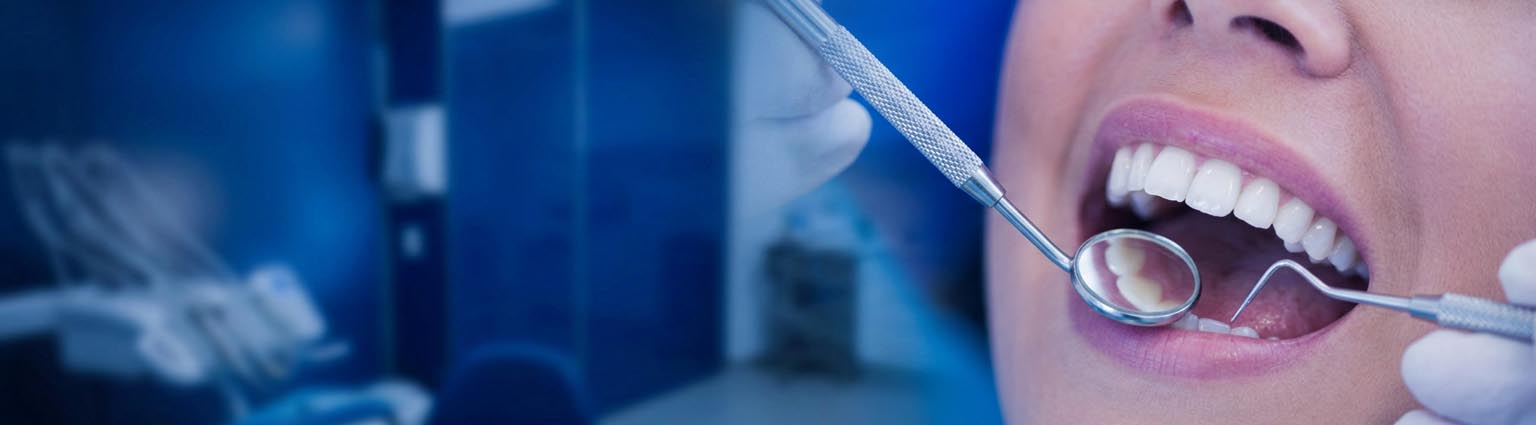

Professional Teeth Cleaning in San Diego
How Professional Teeth Cleaning Protects Teeth and Gums
Daily brushing and interdental cleaning are essential, but some deposits cannot be removed at home. Once plaque hardens into tartar, or calculus, it adheres firmly to the teeth and requires professional instrumentation.
At San Diego Integrative & Implant Dentistry, professional teeth cleaning is more than a cosmetic polish. It is an important part of preventive care that helps maintain the teeth, gums, restorations, and dental implants while allowing the clinical team to identify areas that may need additional attention.
Every cleaning is adapted to the individual. We consider your current oral health, gum condition, dental history, sensitivity, existing restorations, home-care routine, medical factors, and long-term goals before determining the appropriate type and frequency of care.
What Is a Professional Teeth Cleaning?
A professional teeth cleaning removes plaque, tartar, and selected external stains from the teeth.
Depending on your oral health and periodontal history, the appointment may involve:
- Removal of plaque and tartar above the gumline
- Cleaning around the edges of the gums
- Careful instrumentation around crowns, bridges, veneers, and implants
- Polishing when appropriate
- Interdental cleaning
- Review of areas that are difficult to maintain at home
- Personalized oral-hygiene guidance
- Fluoride or sensitivity support when clinically appropriate
- Identification of concerns that require a dental or periodontal evaluation
A routine professional cleaning is intended to maintain oral health. It is not the same as deep cleaning for active periodontal disease or periodontal maintenance following gum-disease treatment.
Plaque and Tartar Are Not the Same
Dental Plaque
Plaque is a soft, sticky film that continually forms on the teeth. It contains bacteria, food-related debris, and other components from the oral environment.
Plaque can usually be removed through effective:
- Toothbrushing
- Flossing
- Interdental brushes
- Water flossing
- Other professionally recommended home-care methods
When plaque remains around the teeth and gumline, it may contribute to tooth decay, gum inflammation, and bad breath.
Tartar or Calculus
Tartar is plaque that has hardened through mineralization.
It may form:
- Along the gumline
- Between the teeth
- Behind the lower front teeth
- Near the openings of the salivary glands
- Around crowded or difficult-to-clean areas
- Around dental restorations
- Beneath the gumline
Once tartar forms, brushing and flossing cannot remove it completely. Professional instruments are needed to detach it from the tooth surface.
Why Professional Cleaning Matters
Professional cleaning supports oral health by helping to:
- Remove hardened deposits that cannot be brushed away
- Reduce plaque-retentive surfaces
- Improve access for home care
- Manage early gum inflammation
- Maintain healthy tissues around teeth and implants
- Protect crowns, veneers, bridges, and other restorations
- Reduce selected external stains
- Identify changes that may need further evaluation
- Reinforce a personalized prevention plan
A cleaning cannot guarantee that cavities or gum disease will never develop. It works best as part of a broader preventive plan that includes consistent home care, appropriate examinations, and treatment of concerns when they arise.
Signs You May Be Due for a Cleaning
You may benefit from professional cleaning if you notice:
- Visible tartar near the gumline
- Bleeding when brushing or flossing
- Red, swollen, or tender gums
- Persistent bad breath
- Rough buildup behind the lower front teeth
- Staining from coffee, tea, wine, or tobacco
- Food collecting around crowns, bridges, or implants
- Difficulty cleaning crowded areas
- A change in the way the gums look or feel
- A long interval since your previous dental visit
Gum disease can also develop with few obvious symptoms. Regular evaluation remains important even when the teeth feel comfortable.
What Happens During a Professional Teeth Cleaning?
- Review of Your Health and Dental History
Before treatment, we review relevant changes in your:
- Medical health
- Medications
- Allergies
- Pregnancy status
- Dental symptoms
- Gum health
- Sensitivity
- Previous treatment
- Home-care routine
Medical conditions, medications, dry mouth, tobacco use, immune status, and other factors may influence oral-health risk and the type of care recommended.
- Evaluation of the Teeth and Gums
The dental team assesses the teeth, gumline, visible plaque and tartar, areas of inflammation, and existing dental work.
When the cleaning is coordinated with a dental examination, the dentist may also evaluate:
- Tooth decay
- Fractures
- Failing restorations
- Bite concerns
- Oral soft tissues
- Signs of infection
- Changes requiring diagnostic imaging
A cleaning and a dental examination serve different purposes, but they often work together within preventive care.
- Plaque and Tartar Removal
Plaque and hardened tartar are removed using hand instruments, ultrasonic instruments, or a combination of both.
Hand scalers allow the clinician to carefully adapt the instrument to the tooth surface.
Ultrasonic instruments use rapid vibration and water to loosen deposits and flush the treatment area.
The selected method depends on:
- Amount and location of buildup
- Gum condition
- Tooth sensitivity
- Existing restorations
- Implant surfaces
- Patient comfort
- Clinical judgment
- Polishing When Appropriate
Polishing may be used to remove selected external stains and smooth areas of the tooth surface after scaling.
Polishing is not the primary purpose of the appointment, and it may not be necessary on every surface or during every visit.
The clinician considers:
- Type of stain
- Tooth sensitivity
- Exposed roots
- Enamel condition
- Restorative materials
- Implant restorations
- Clinical need
Professional polishing does not whiten the internal shade of the tooth. It removes selected surface stains, while professional teeth whitening changes the visible color of natural tooth structure.
- Interdental Cleaning
The spaces between the teeth may be cleaned with floss, interdental brushes, or another appropriate method.
The clinician may identify areas where:
- Floss is most effective
- An interdental brush may be easier to use
- A water flosser may provide additional support
- A bridge threader is needed
- Implant-specific cleaning tools may help
- A change in technique could improve plaque removal
- Personalized Home-Care Guidance
Recommendations are based on what we observe rather than delivered as a generic script.
Guidance may include:
- Toothbrush selection
- Brushing technique
- Interdental cleaning
- Care around implants
- Cleaning beneath bridges
- Care of veneers and crowns
- Denture or appliance hygiene
- Dry-mouth support
- Fluoride products
- Sensitivity products
- Tobacco cessation resources
- Frequency of future visits
Professional Cleaning Versus Deep Cleaning
A routine professional cleaning and a periodontal deep cleaning are not interchangeable.
Professional Teeth Cleaning
A routine cleaning is generally intended for patients whose gum condition can be maintained through removal of plaque and tartar around the teeth and gumline.
It supports prevention and management of early gum inflammation when the supporting bone and deeper periodontal structures are not significantly affected.
Periodontal Deep Cleaning
Deep cleaning, also called scaling and root planing, is used to treat periodontal disease.
It involves cleaning beneath the gumline and along the tooth roots where deeper periodontal pockets, inflammation, and bacterial deposits are present.
Scaling and root planing may:
- Require local anesthesia
- Be completed in sections
- Take more than one appointment
- Require reevaluation
- Be followed by periodontal maintenance
- Involve care from a dentist, hygienist, or periodontist
A routine cleaning cannot adequately treat active periodontitis when deeper root surfaces and periodontal pockets require therapy.
Professional Cleaning Versus Periodontal Maintenance
Periodontal maintenance is ongoing care for patients who have been treated for periodontitis.
It may include:
- Cleaning above and below the gumline
- Monitoring periodontal pocket depths
- Evaluating bleeding and inflammation
- Cleaning root surfaces
- Maintaining dental implants
- Monitoring bone and tissue stability
- Reinforcing individualized home care
A patient with a history of periodontitis may require periodontal maintenance rather than a routine cleaning, even when the gums appear stable.
The appropriate appointment type is determined by diagnosis and periodontal history—not simply by insurance coverage or the amount of time since the previous visit.
How Often Should Teeth Be Professionally Cleaned?
There is no single cleaning interval that is ideal for every patient.
Some patients may remain healthy with routine preventive visits. Others may need more frequent care because plaque, tartar, inflammation, or disease returns more quickly.
The recommended interval may be influenced by:
- History of gum disease
- Current gum inflammation
- Rate of tartar formation
- Tooth-decay risk
- Dry mouth
- Diabetes
- Tobacco use
- Pregnancy
- Orthodontic treatment
- Invisalign attachments
- Dental implants
- Bridges or extensive restorations
- Manual-dexterity limitations
- Medications
- Immune status
- Effectiveness of home care
Your interval should reflect your individual risk and response—not a calendar rule applied to every patient.
Cleanings for Patients With Dental Implants
Dental implants require continued professional maintenance.
Plaque and inflammation can develop around implant-supported crowns, bridges, and dentures just as they can around natural teeth. The tissues around implants should be evaluated for:
- Bleeding
- Swelling
- Plaque accumulation
- Tartar
- Changes in probing depth
- Suppuration or drainage
- Gum recession
- Bone changes
- Mobility
- Difficulty cleaning
The clinician selects instruments and techniques that are appropriate for the implant surface and restoration.
Patients with full-arch implant restorations may require specialized cleaning beneath the prosthesis and individualized home-care tools.
Professional cleaning supports implant maintenance, but it does not replace evaluation of pain, mobility, drainage, or suspected peri-implant disease.
Cleanings With Crowns, Veneers, and Bridges
Crowns, veneers, bridges, and fillings still require regular cleaning.
Plaque may collect:
- At restoration margins
- Beneath bridge pontics
- Around implant crowns
- Between closely positioned restorations
- Near areas of gum recession
- Along rough or overhanging margins
Professional cleaning helps maintain the surrounding tissues and allows the team to evaluate whether a restoration remains smooth, sealed, stable, and maintainable.
Special care may be taken around ceramic margins, bonded restorations, and implant-supported work to avoid unnecessary scratching or damage.
Cleanings During Invisalign Treatment
Clear aligners do not eliminate the need for professional cleaning.
Attachments, close-fitting trays, and frequent snacking may create new plaque-retentive areas. Patients undergoing Invisalign treatment should maintain:
- Thorough brushing
- Daily interdental cleaning
- Regular aligner cleaning
- Professional cleanings
- Monitoring of gum health
- Evaluation for early enamel changes or decay
Aligners should be placed over clean teeth whenever possible.
Professional cleaning may also help remove buildup around attachments without interfering with the treatment plan.
Cleanings for Patients With Dentures
Patients with partial or complete dentures still require oral-health care.
Professional evaluation may include:
- Cleaning remaining natural teeth
- Examining the gums and oral tissues
- Assessing denture fit
- Identifying sore areas
- Reviewing denture hygiene
- Evaluating clasps and supporting teeth
- Checking for fungal irritation or inflammation
- Monitoring changes in the jaw ridge
Dentures should be cleaned according to professional instructions and generally removed during sleep unless otherwise directed.
Professional Cleaning and Bad Breath
Bad breath may improve when plaque, tartar, tongue coating, gum inflammation, and food-retentive areas are addressed.
A cleaning may help when odor is associated with:
- Plaque buildup
- Tartar
- Gingivitis
- Periodontal inflammation
- Food trapped around restorations
- Inadequate denture hygiene
- Difficult-to-clean dental appliances
Persistent bad breath may also be influenced by:
- Dry mouth
- Tooth decay
- Dental infection
- Advanced gum disease
- Tobacco use
- Diet
- Medication
- Medical conditions
When bad breath continues after routine care, further evaluation may be necessary.
Professional Cleaning and Tooth Staining
Professional cleaning can remove selected external stains caused by:
- Coffee
- Tea
- Red wine
- Tobacco
- Pigmented foods
- Certain mouthrinses
- Plaque and tartar buildup
Cleaning does not change the internal shade of the teeth.
Patients seeking a brighter overall tooth color may consider professional teeth whitening after the teeth and gums have been evaluated.
Will a Cleaning Make My Teeth Look Whiter?
A cleaning may make the teeth appear brighter by removing surface stain, plaque, and tartar.
However, it does not bleach the enamel or dentin.
The distinction is:
- Professional cleaning: removes deposits and selected external stains
- Professional whitening: lightens the natural color of the teeth
Some patients find that cleaning alone creates the refreshed result they wanted. Others choose whitening afterward.
Does Teeth Cleaning Hurt?
Routine cleaning is usually well tolerated, but sensitivity varies.
Discomfort may be influenced by:
- Inflamed gums
- Heavy tartar buildup
- Exposed root surfaces
- Gum recession
- Tooth sensitivity
- Long intervals between cleanings
- Anxiety
- Periodontal disease
- Recent dental work
- Individual pain sensitivity
Comfort options may include:
- Slower pacing
- Planned breaks
- Sensitive-teeth products
- Topical anesthetic
- Local anesthesia when appropriate
- Warm blankets
- Neck support
- Headphones
- Clear communication
- An agreed stop signal
Tell us if you have had an uncomfortable cleaning in the past. The appointment can often be adjusted to support a more manageable experience.
Why Gums May Bleed During a Cleaning
Inflamed gums may bleed when plaque, tartar, or instruments contact the area.
Bleeding may be associated with:
- Gingivitis
- Periodontitis
- Plaque accumulation
- Inconsistent interdental cleaning
- Pregnancy-related changes
- Certain medications
- Tobacco use
- Medical conditions
Bleeding should not automatically be dismissed as normal. Persistent bleeding may indicate inflammation that requires better home care, professional cleaning, periodontal evaluation, or treatment.
Temporary Sensitivity After Cleaning
Some patients notice temporary sensitivity after tartar is removed, particularly when buildup had covered exposed root surfaces or inflamed tissues.
You may notice:
- Cold sensitivity
- Tender gums
- Mild bleeding
- Awareness of spaces that were previously filled with tartar
- A smoother or different feeling along the teeth
- Temporary soreness when flossing
These effects are often brief. Persistent or severe sensitivity should be evaluated.
Fluoride and Sensitivity Support
Fluoride may be recommended according to cavity risk, dry mouth, exposed roots, enamel changes, or sensitivity.
Professional fluoride products may help:
- Strengthen enamel
- Reduce cavity risk
- Support exposed root surfaces
- Manage sensitivity in selected patients
Fluoride is not automatically necessary at every cleaning. The recommendation is individualized.
Other sensitivity-support products may be considered according to the cause and severity of symptoms.
Oral Hygiene Between Professional Cleanings
Professional cleaning is most effective when supported by consistent home care.
General recommendations may include:
- Brush twice daily with fluoride toothpaste.
- Use a soft-bristled toothbrush.
- Clean between the teeth daily.
- Brush along the gumline gently.
- Clean the tongue.
- Clean beneath bridges.
- Use implant-specific tools when recommended.
- Clean removable appliances daily.
- Replace worn toothbrush heads.
- Avoid tobacco.
- Maintain recommended dental visits.
The most effective interdental tool differs from person to person. Tight contacts may be best suited to floss, while more open spaces, implants, bridges, or periodontal conditions may benefit from interdental brushes or water flossing.
An Integrative Approach to Preventive Dental Care
Professional cleaning is one part of a broader prevention strategy.
At San Diego Integrative & Implant Dentistry, we consider factors that may influence oral health, including:
- Medical history
- Medications
- Dry mouth
- Diabetes
- Tobacco use
- Sleep and breathing patterns
- Grinding and clenching
- Diet and oral habits
- Stress
- Manual dexterity
- Previous dental experiences
- Restorations and implants
- Comfort needs
- Long-term goals
This broader perspective allows the cleaning and prevention plan to be tailored to the individual rather than reduced to a standard appointment repeated at the same interval for everyone.
What a Professional Cleaning Cannot Replace
Professional cleaning cannot substitute for:
- Treatment of tooth decay
- Root-canal therapy
- Repair of a fractured tooth
- Periodontal deep cleaning
- Treatment of an abscess
- Replacement of a failing restoration
- Management of peri-implant disease
- Oral cancer evaluation
- A comprehensive dental examination
- Daily brushing and interdental cleaning
When a concern is identified, we explain the findings and help coordinate the appropriate next step.
Frequently Asked Questions
Is professional teeth cleaning the same as a dental exam?
No. A cleaning removes plaque, tartar, and selected stains. A dental examination evaluates the teeth, gums, restorations, bite, and oral tissues for disease or change. They are often coordinated during the same visit.
Is professional cleaning the same as deep cleaning?
No. A routine professional cleaning is preventive care. Deep cleaning, or scaling and root planing, treats active periodontal disease below the gumline.
Can brushing remove tartar?
No. Brushing can remove soft plaque, but hardened tartar requires professional instrumentation.
How often should I have my teeth cleaned?
The interval depends on your gum health, tartar formation, cavity risk, medical history, home care, implants, restorations, and previous disease. Your dental team will recommend an individualized schedule.
Will a cleaning remove stains?
It may remove selected external stains from coffee, tea, tobacco, or other sources. It does not change the internal color of natural teeth.
Will a cleaning whiten my teeth?
A cleaning may make the teeth appear brighter by removing stain and buildup, but it is not the same as professional teeth whitening.
Why do my gums bleed during cleaning?
Bleeding may occur when the gums are inflamed. Persistent bleeding may indicate gingivitis, periodontitis, or another concern that requires evaluation.
Can I have my teeth cleaned if they are sensitive?
Yes. Tell the team about your sensitivity so the instruments, pacing, water temperature, topical products, or anesthesia can be adjusted when appropriate.
Do implants need professional cleaning?
Yes. The gums and bone around implants require monitoring and maintenance. Implant restorations may also need specialized cleaning techniques and home-care tools.
Do veneers and crowns still need cleaning?
Yes. The tooth or implant beneath the restoration and the surrounding gum tissue still require daily and professional care.
Should I have a cleaning before teeth whitening?
Often, yes. Removing plaque, tartar, and surface stain allows the natural tooth color and gum health to be evaluated more accurately before whitening.
Why does my mouth feel different after tartar is removed?
Tartar can fill spaces near the gumline or between teeth. Once removed, the teeth may feel smoother and the spaces may feel more noticeable. This does not mean tooth structure was removed.
Can cleaning damage enamel?
Professional cleaning performed with appropriate instruments and technique is designed to remove deposits while preserving tooth structure. The clinician selects the method according to the teeth, restorations, implants, and sensitivity.
Is polishing necessary at every cleaning?
Not always. Polishing is used selectively according to the presence of stain, the tooth surface, restorative materials, and clinical need.
Can a cleaning treat bad breath?
It may help when odor is related to plaque, tartar, gingivitis, or food-retentive areas. Persistent bad breath may require evaluation for dry mouth, infection, periodontal disease, decay, or medical causes.
Begin With a Personalized Preventive-Care Visit
Professional cleaning should leave you with more than smoother teeth. It should provide a clearer understanding of your oral health and a prevention plan that fits your individual needs.
At San Diego Integrative & Implant Dentistry, we tailor cleaning and maintenance around your gums, teeth, restorations, implants, health history, comfort, and long-term goals.
Button: Request a Professional Teeth Cleaning